There are active discussions in the scientific community regarding the use of materials from their previous scientific works by scientists. Some representatives of the academic community consider this acceptable, while others regard it as self-plagiarism. Where is the truth? In this article, we will analyze the concept of self-plagiarism, find out why it causes controversy in the scientific community, and offer practical recommendations on how to avoid it.
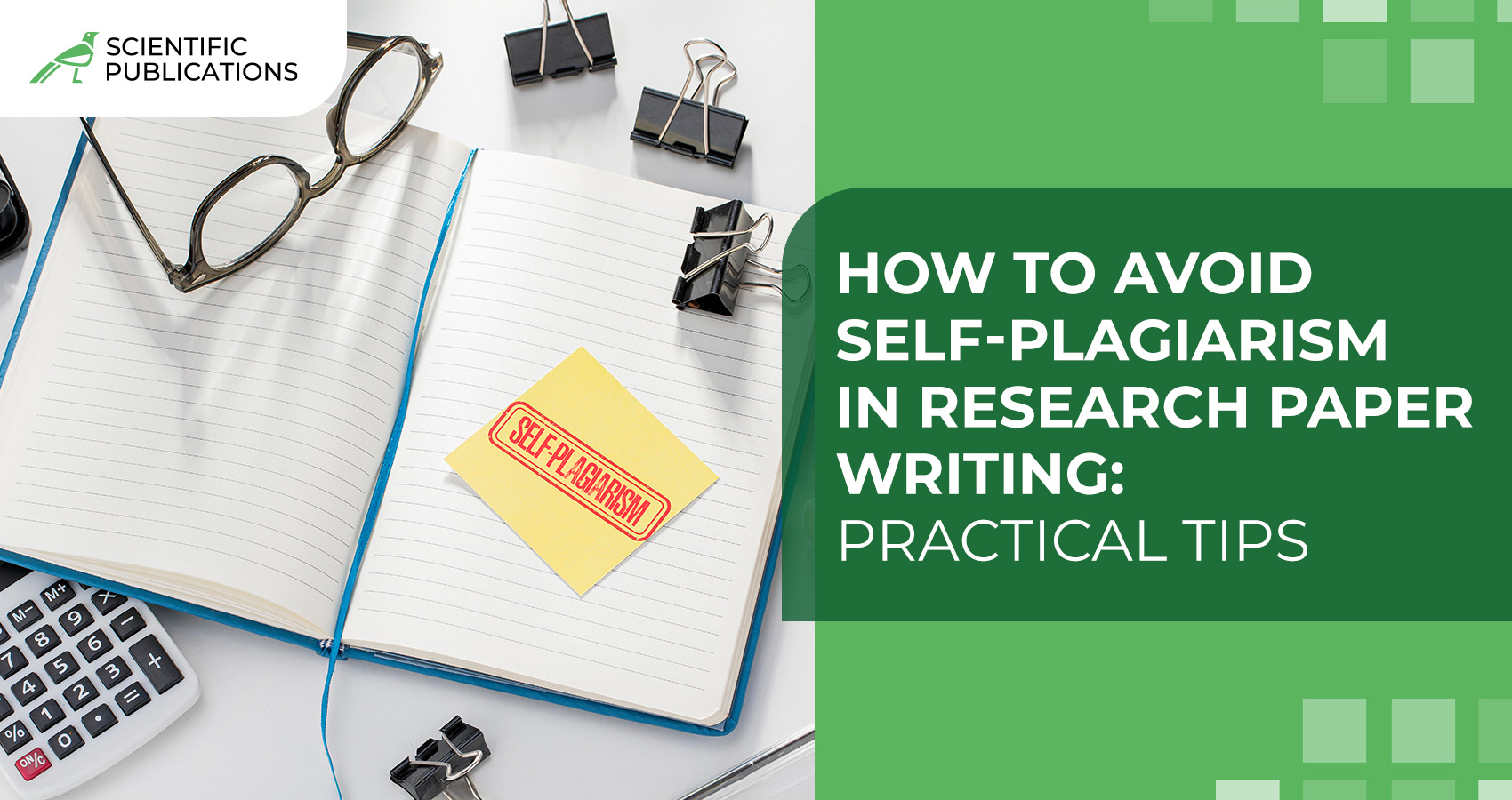
What is self-plagiarism?
Self-plagiarism – is the reuse of previously published texts, ideas, data, or results by a researcher without proper citation or reference to the original work. This may include:
- copying fragments of text from their previous articles;
- reusing data or results without indicating that they have already been published and presenting them as new material;
- submitting the same work to several journals or conferences without disclosing this fact.
The main difference between self-plagiarism and plagiarism is the fact that the author uses his own material, and not someone else's. Even though it is a scholar’s previous work, self-plagiarism is considered a violation of academic ethics because it misleads readers and publishers about the originality and novelty of the work.
Why is self-plagiarism controversial?
As we noted earlier, the issue of self-plagiarism is a hotly debated topic in academia. This is due to a number of factors:
- Blurred boundaries: It is not always clear where the line is between acceptable reuse and self-plagiarism. For example, using standard methodology statements or repeating an experiment description may be justified in certain contexts.
- Disciplinary differences: In some fields, such as the natural sciences, reusing methodological descriptions is considered normal, while in the humanities it may be considered self-plagiarism.
- Cultural and institutional differences: Different countries and universities have different approaches to self-plagiarism. Some consider it a serious violation, while others consider it a less severe problem.
- Publication pressure: Researchers often face the pressure to publish numerous articles, which can push them to reuse material.
Despite debate, most academic journals and organizations (e.g. COPE — Committee on Publication Ethics) consider self-plagiarism a violation unless it is accompanied by transparent citation.
How to avoid self-plagiarism: recommendations for scientists
There are cases when researchers make mistakes in the process of writing a scientific paper, which can later be considered self-plagiarism. To avoid this problem and not violate the principles of scientific ethics, follow these recommendations.
1. Cite your previous work
If you use text, data, or ideas from your previous publications, be sure to cite them. For example: “As shown in our previous work [1], method X showed high efficiency.”
In addition, it is necessary to indicate whether the data or research results have been published previously, and explain how the new article complements or extends them.
2. Reword the text
Even if you are describing the same method or concept, try to reword the text to avoid verbatim repetition. This demonstrates originality and respect for the new publication.
For example, instead of copying the description of an experiment, rewrite it, emphasizing new aspects or context.
3. Use software for checking
Sometimes when writing a scientific paper, even after rewording fragments from their previous texts, the author can retain significant similarities with the original. To identify fragments that may be considered plagiarism or self-plagiarism, it is recommended to use specialized text checking tools such as Turnitin, iThenticate or Grammarly.
These programs can detect matches with previously published works, including your own, helping to avoid self-plagiarism and ensure the originality of the text.
4. Familiarize yourself with the journal's guidelines
Before submitting an article, review the journal's requirements for originality and self-plagiarism. Some journals allow limited reuse of text (for example, up to 10-15%), if it is justified. Therefore, before submitting an article for publication, read the requirements for authors, which are usually posted on the official website of the journal.
Self-plagiarism is a serious violation that can affect not only the publication of an article, but also the reputation of the researcher in the scientific community. By following the recommendations presented in this article, you can improve the quality of your work and avoid accusations of violating scientific ethics.
If you need help with publishing scientific articles in Scopus or Web of Science databases, contact the company "Scientific Publications". Before submitting an article to a journal of your choice, our specialists will audit the article and determine whether it violates established standards. Would you like to receive a free consultation? Then leave your contact information in the form below, and our manager will contact you shortly. Together to new scientific achievements!